What is Rhinoplasty?
Rhinoplasty is one of the most precise cosmetic operations. The goal is a nose that is in harmony with your forehead, cheeks and chin — not a pre-set 'model'.
It can remove a dorsal hump, refine a drooping or wide tip, narrow the nostrils and straighten a deviated septum that affects breathing.
Is it right for me?
Rhinoplasty suits people whose face has finished growing (usually from 17–18), who are in good health and have realistic expectations.
- You are unhappy with the shape or size of your nose
- You have a hump, a drooping tip or asymmetry
- You have a deviated septum or breathing problems
- You don't smoke, or can stop for several weeks
Consultation
At the consultation the doctor examines your nose inside and out, takes standard photos and talks through what you want to change. Your medical history, medicines, allergies and previous surgery are reviewed. You leave with a written treatment plan, the cost and a timeline.
Questions to ask
- Am I a good candidate for this operation?
- What change is realistic for my face?
- Will you use an open or closed technique, and why?
- In which hospital will it be done?
- What happens if I need a revision?
Preparation
Stop aspirin, ibuprofen, herbal supplements and vitamin E two weeks before surgery (unless your doctor says otherwise). Stop smoking for at least four weeks. Routine tests are done beforehand, and you'll need someone with you on the day and for the first 24 hours.
Procedure steps
- General anaesthesia given by an anaesthetist
- Incisions inside the nose (closed) or a small cut under the columella (open)
- Bone and cartilage reshaped to the agreed plan
- Septum straightened if needed for better breathing
- Incisions closed and a splint placed on the nose
Recovery
The splint comes off after about a week. Swelling and bruising around the eyes peak in the first two weeks and then fade. Most people return to work after 7–10 days; strenuous exercise is off-limits for 6 weeks. Subtle swelling of the tip can take up to a year to settle.
Risks and safety
Every operation carries risks. We go through them at the consultation and you sign an informed-consent form.
- Bleeding and infection
- Anaesthesia complications
- Temporary numbness or skin discoloration
- Asymmetry or a result that needs revision
- Breathing difficulty
Results
You'll see an early result when the splint comes off, but the final shape settles over 9–12 months. The result is permanent, though the face naturally changes a little with age.
Before & after
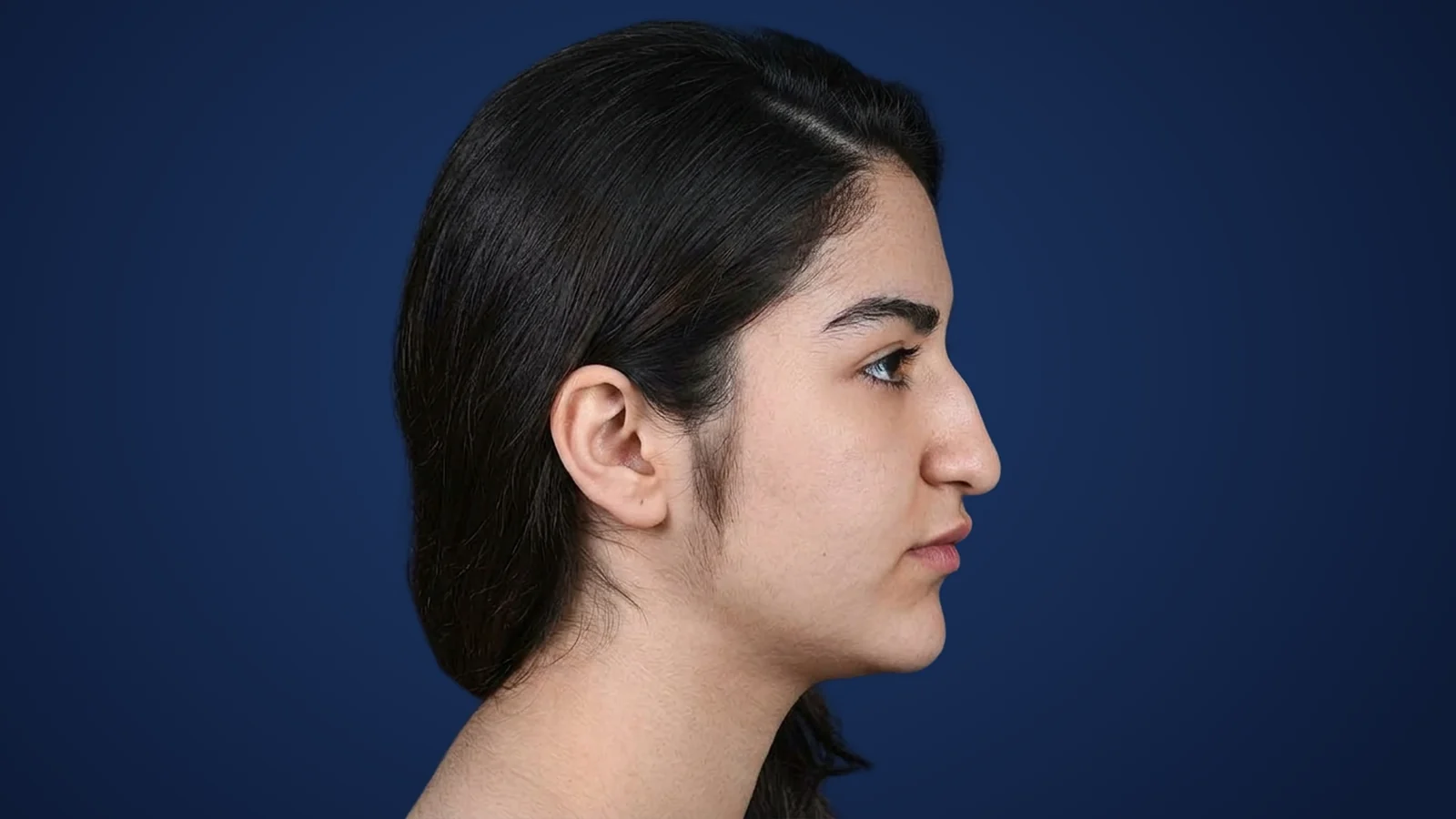
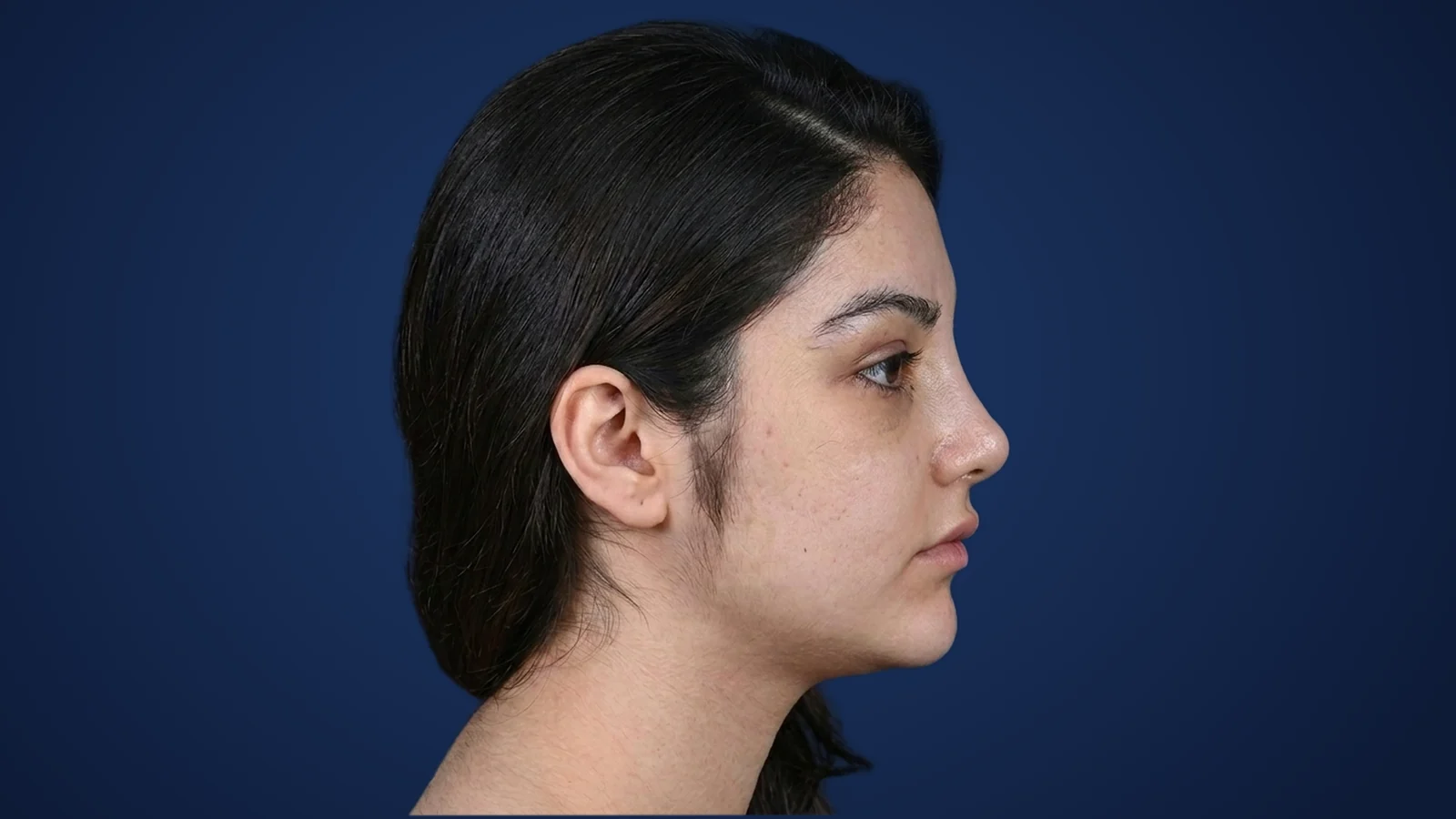
Hump removal and tip refinement
Sample image · profile view
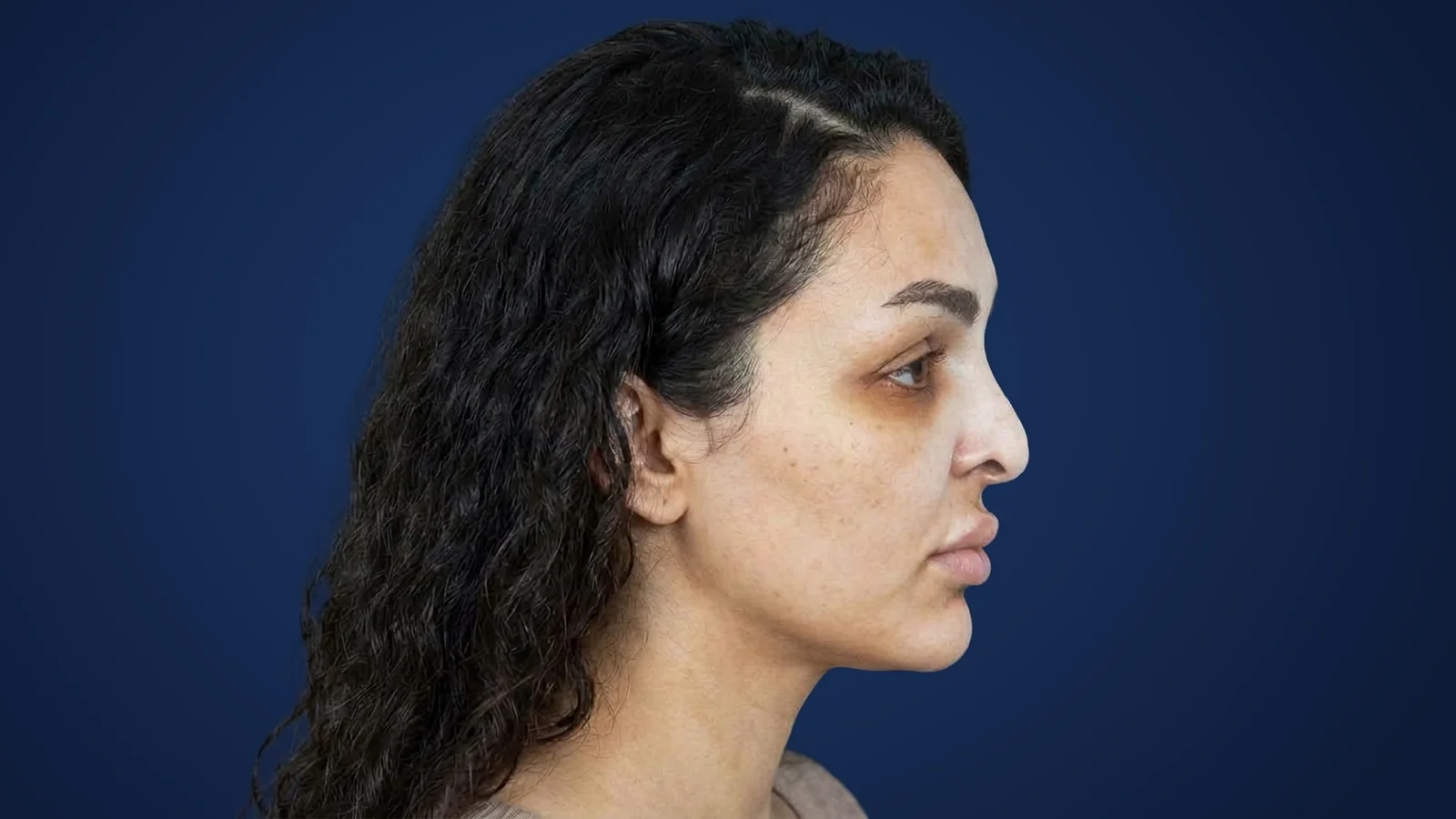
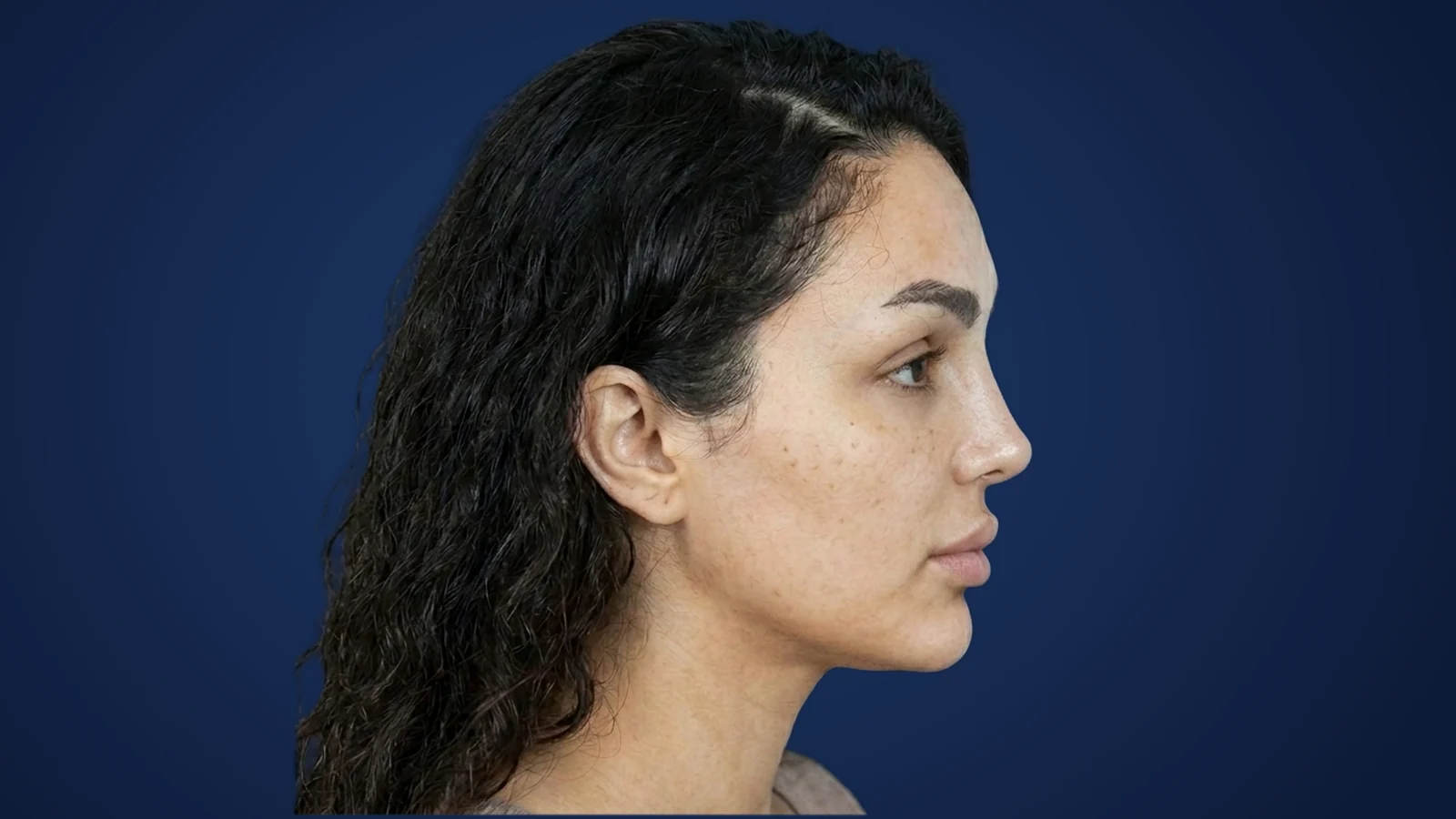
Drooping tip and dorsum correction
Sample image · open technique
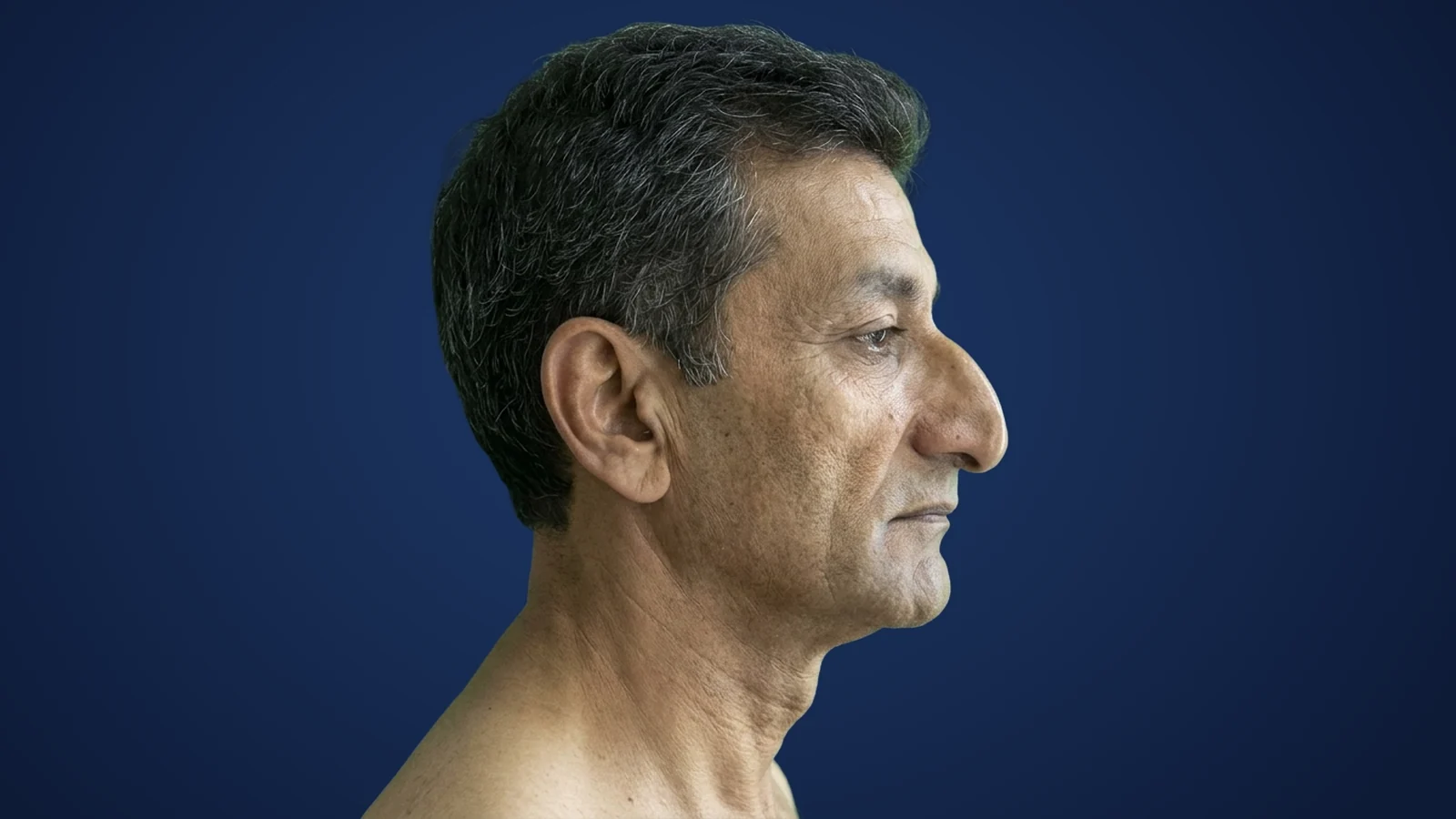
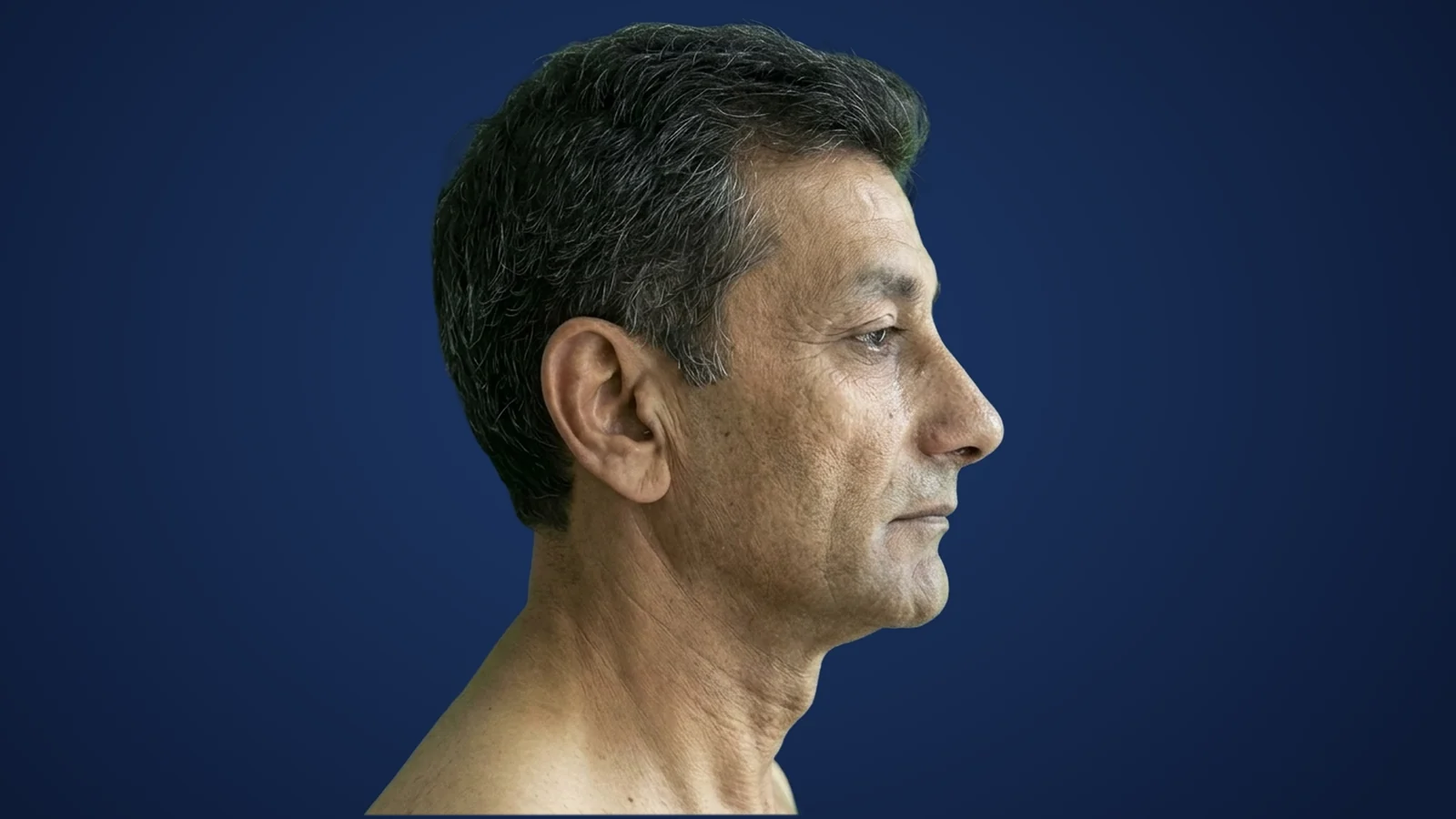
Male rhinoplasty
Sample image · masculine profile preserved
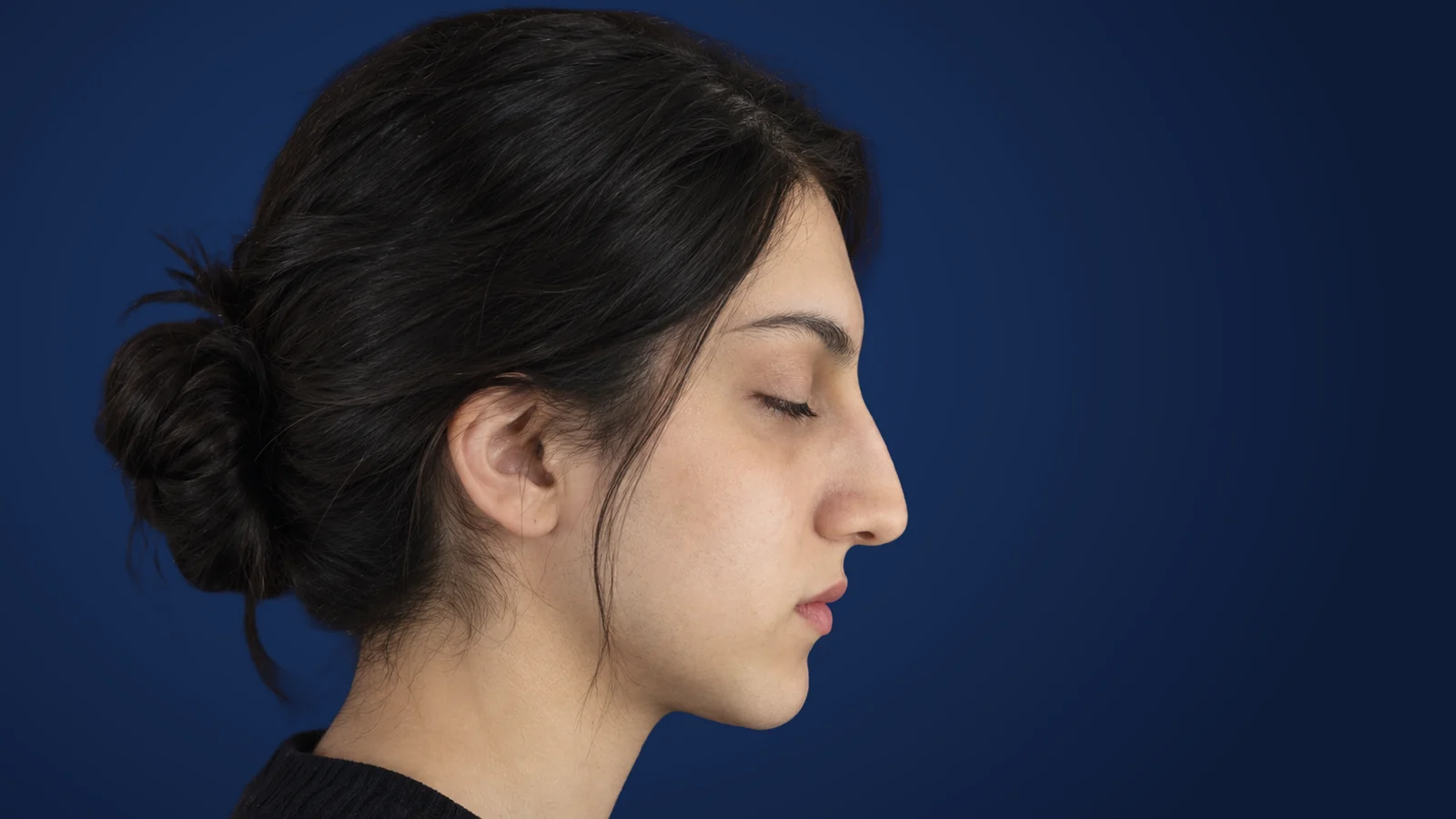
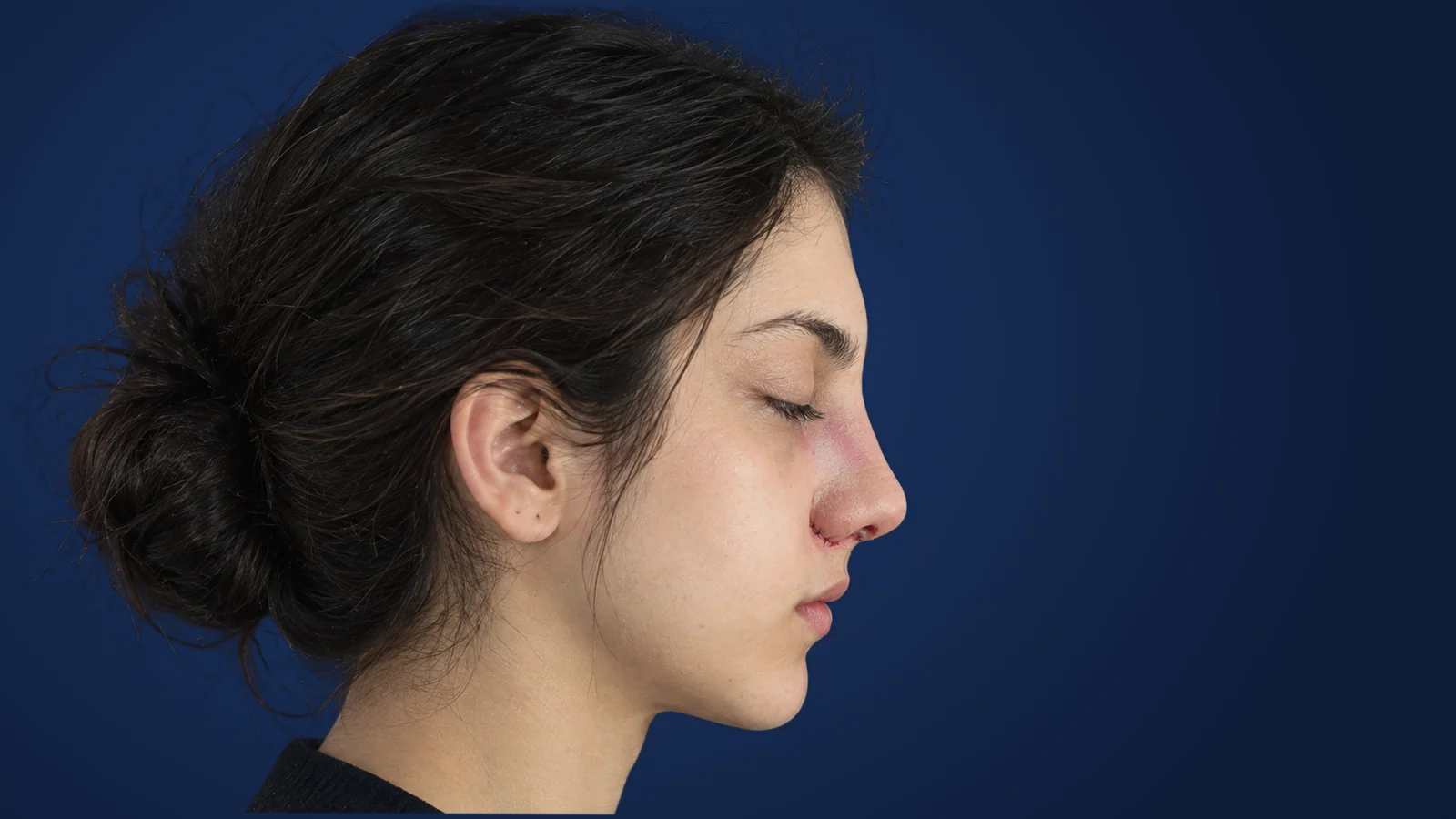
A natural nose with a refined tip
Sample image · first weeks after surgery
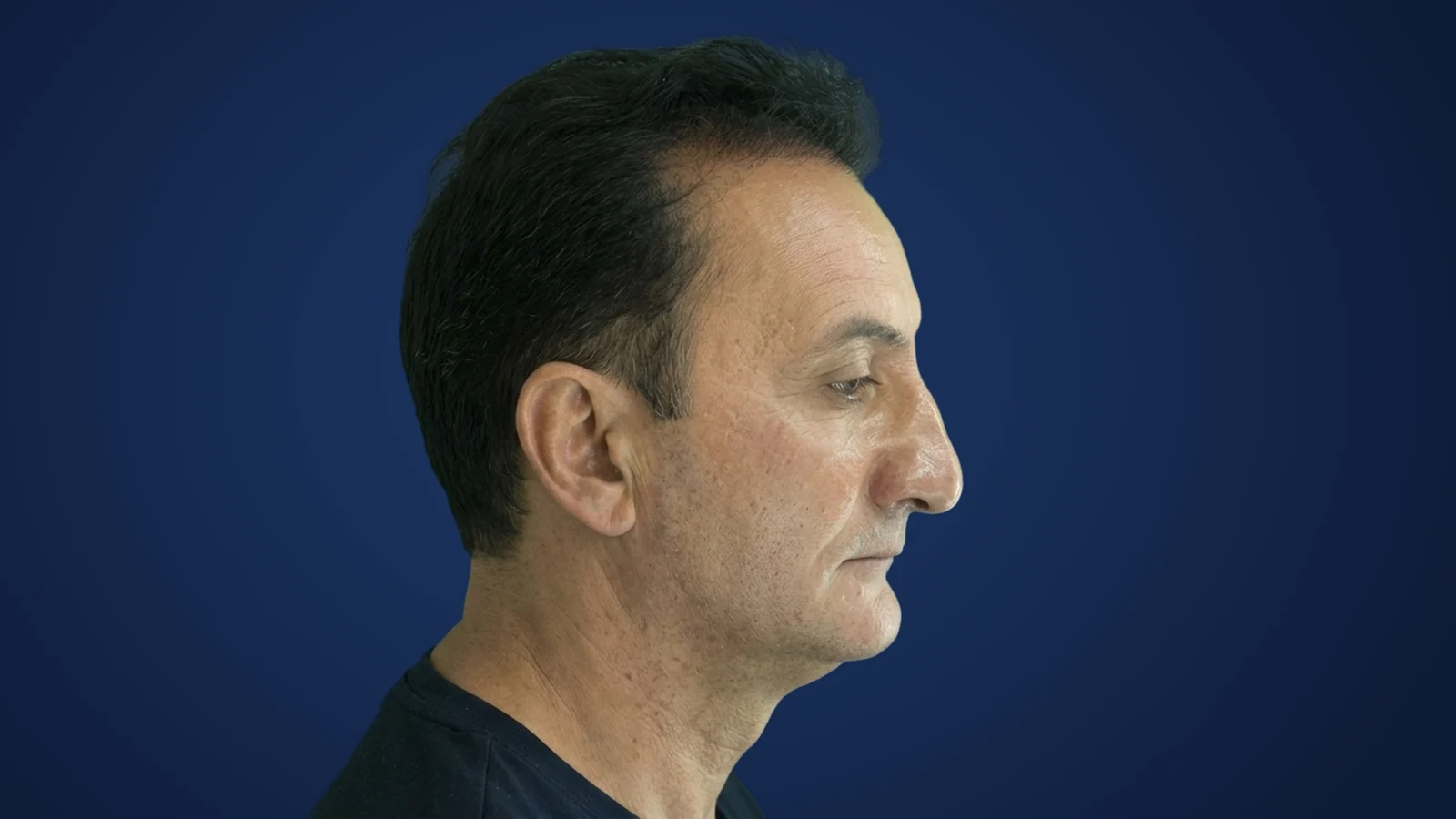
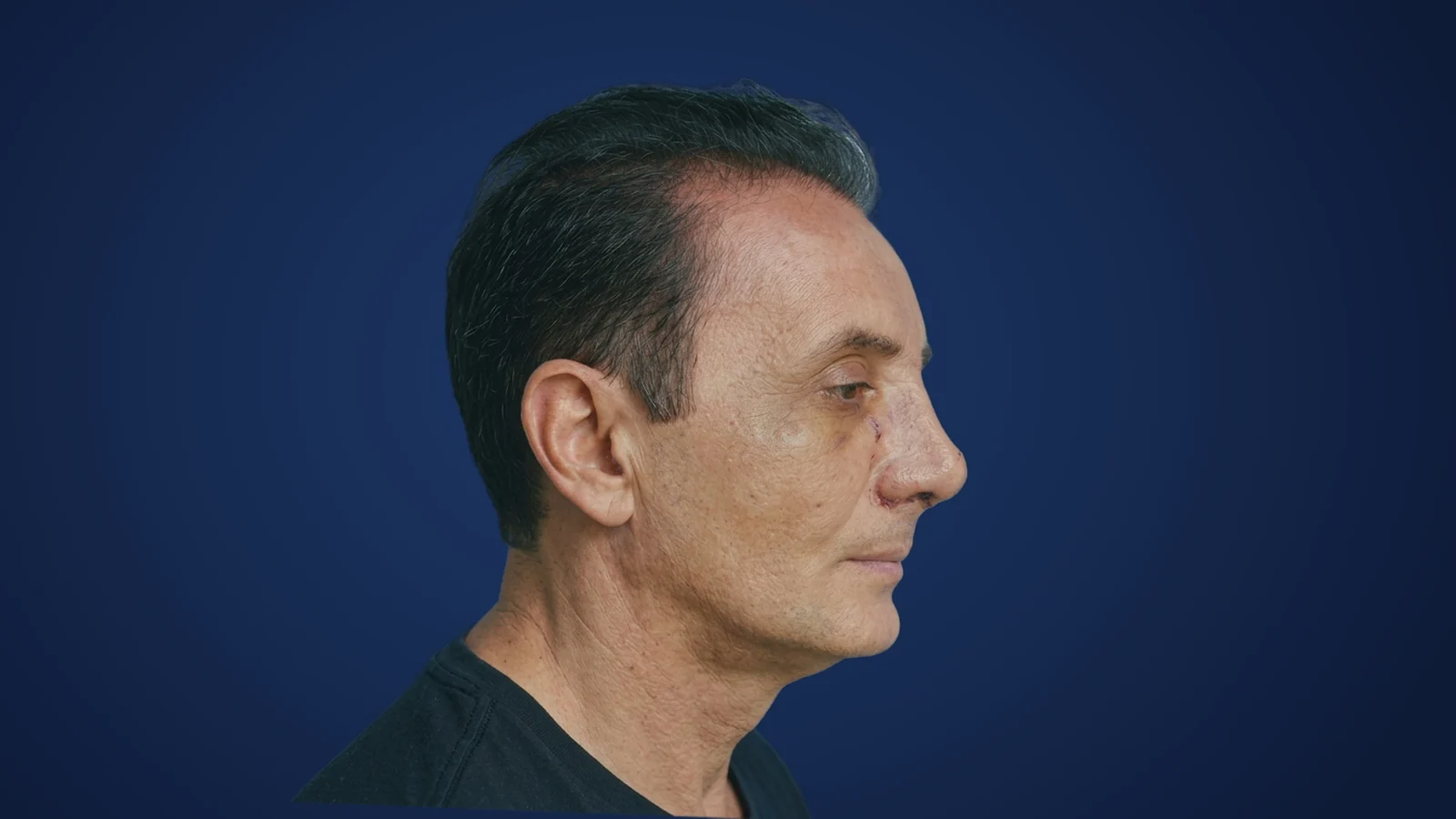
Male nose and jawline
Sample image · second week after surgery
Common questions
Is rhinoplasty painful?
Most patients describe feeling 'blocked up' rather than pain. Discomfort in the first few days is managed with ordinary painkillers.
When can I wear glasses?
Glasses shouldn't rest directly on the nose for about 6 weeks. Use contact lenses or tape them to your forehead in the meantime.